
The Quick Guide on How to Plant Seed Paper
To plant seed paper properly, soak the sheet in room-temperature water for 2 to 4 hours, bury it under a shallow quarter-inch layer of fertile potting soil, keep the dirt consistently moist like a damp sponge, and place it in a bright spot receiving 4 to 6 hours of daily sunlight to ensure successful wildflower germination.
However, if you are handling a card from our plantable stationery collection, following these precise conditions will guarantee your card transforms into a vibrant garden.
What Is Seed Paper, Really?
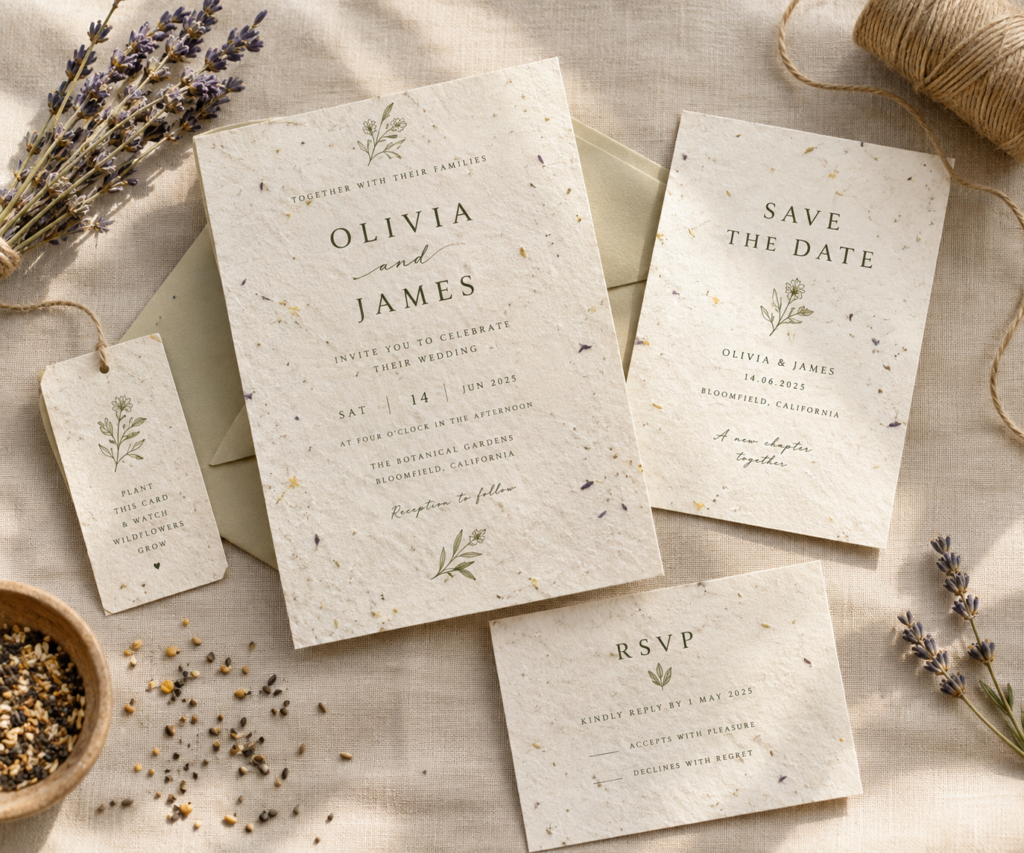
Before we get to planting, it helps to understand what you’re holding. Seed paper is biodegradable, plant-based paper with real seeds embedded directly into the pulp during manufacturing—not glued on top, not sprinkled in as an afterthought.
-
- Eco-Friendly Base: It is typically crafted from recycled cotton, post-consumer paper scraps, or upcycled plant fibers.
- Seed Varieties: Wildflower seeds are the most common selection, though useful herb and organic vegetable seed papers exist too.
- Fully Circular: It is engineered to break down completely in soil, naturally releasing the seeds as the fiber decomposes.
- Chemical Free: The manufacturing process uses zero toxic dyes or chemical additives, protecting the soil from chemical runoffs. For consumers tracking verified green materials, choosing certified sheets that match international green forestry criteria ensures full supply chain transparency.
- Completely Zero-Waste: Ultimately, this clean cycle leaves nothing behind that does not naturally belong in the earth.
Step-by-Step: How to Plant Seed Paper Correctly
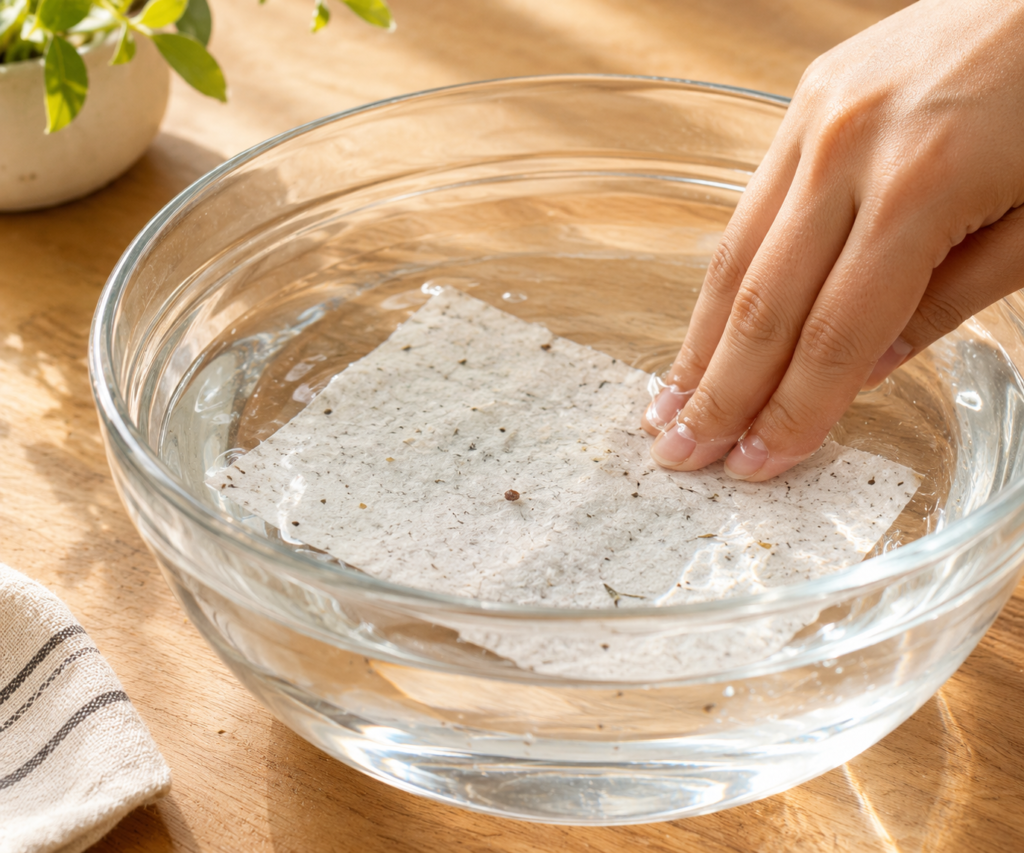
Step 1: Soak the paper
Submerge your seed paper in room-temperature water for 2–4 hours, or overnight if you have the time. This softens the paper and helps kickstart germination. In fact, skipping this step is the single biggest reason people end up with nothing but a dried-out card in dirt.
Step 2: Choose the right container or spot
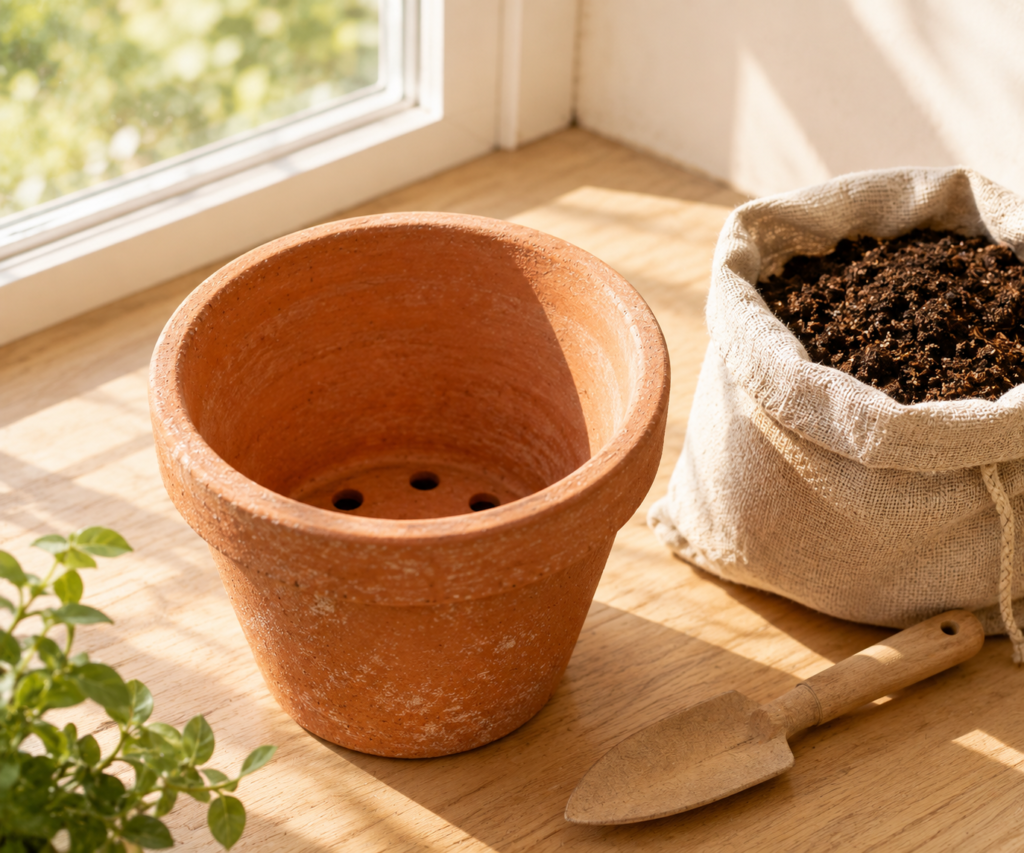
Pick a small pot with drainage holes, a windowsill planter, or a patch of open garden soil. Seed paper isn’t fussy about location, but it does need direct soil contact rather than a hard surface.
Step 3: Plant it shallow
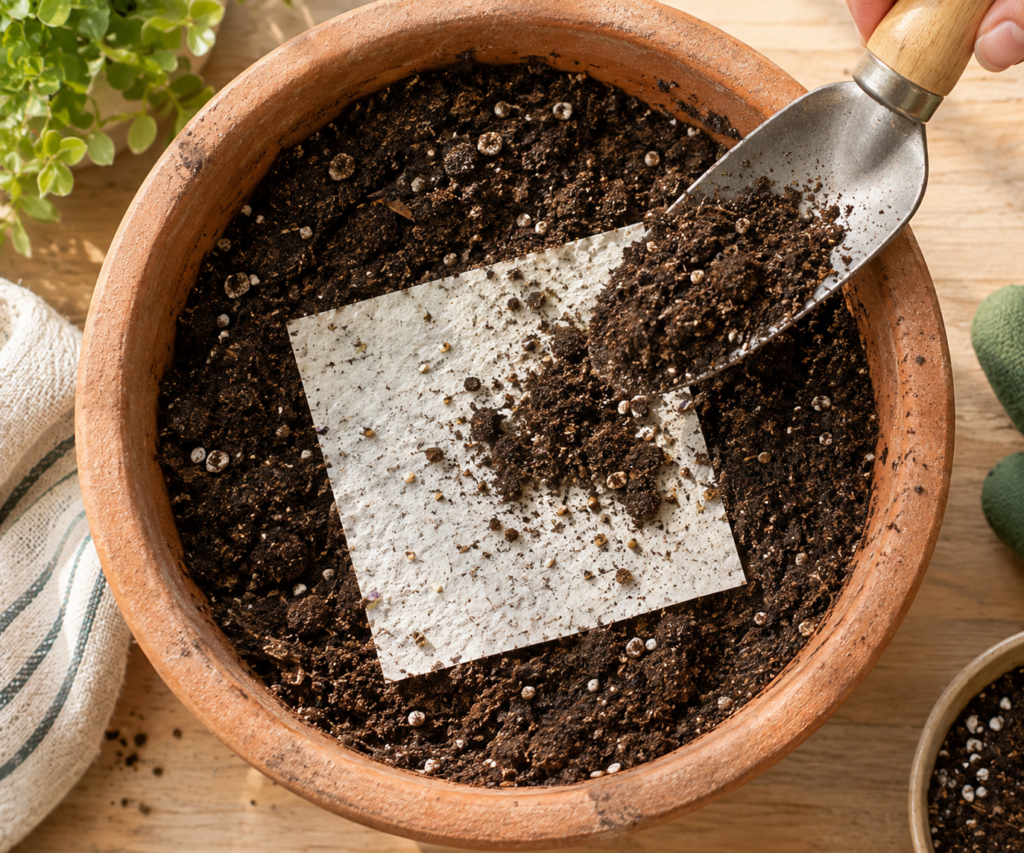
Lay the soaked paper flat and cover it with about a quarter-inch of loose soil—no deeper. Wildflower seeds need to be close to the surface to sprout; as a result, burying them too deep is another incredibly common mistake.
Step 4: Water consistently, not excessively
Keep the soil moist to the touch, like a wrung-out sponge, not soggy. For instance, a light daily misting with a spray bottle usually works significantly better than a heavy weekly soak. Maintaining correct environmental moisture states matches standard horticultural watering rules for delicate container seeds.
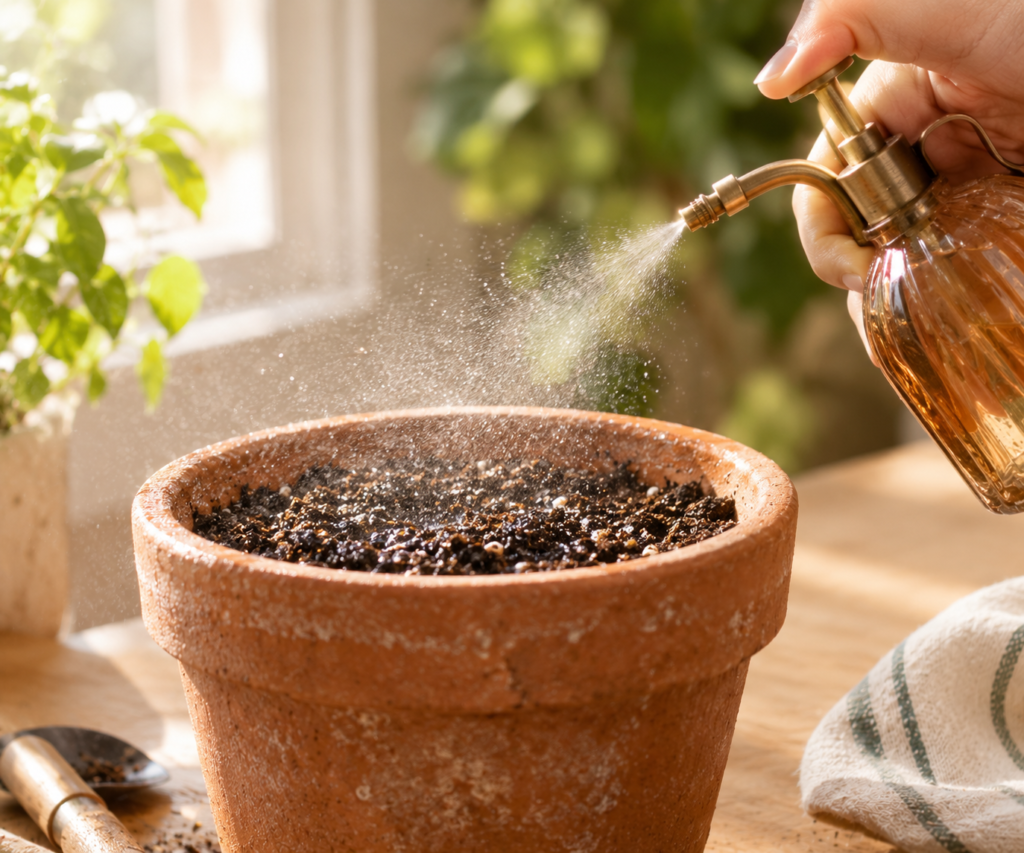
Step 5: Give it light and patience
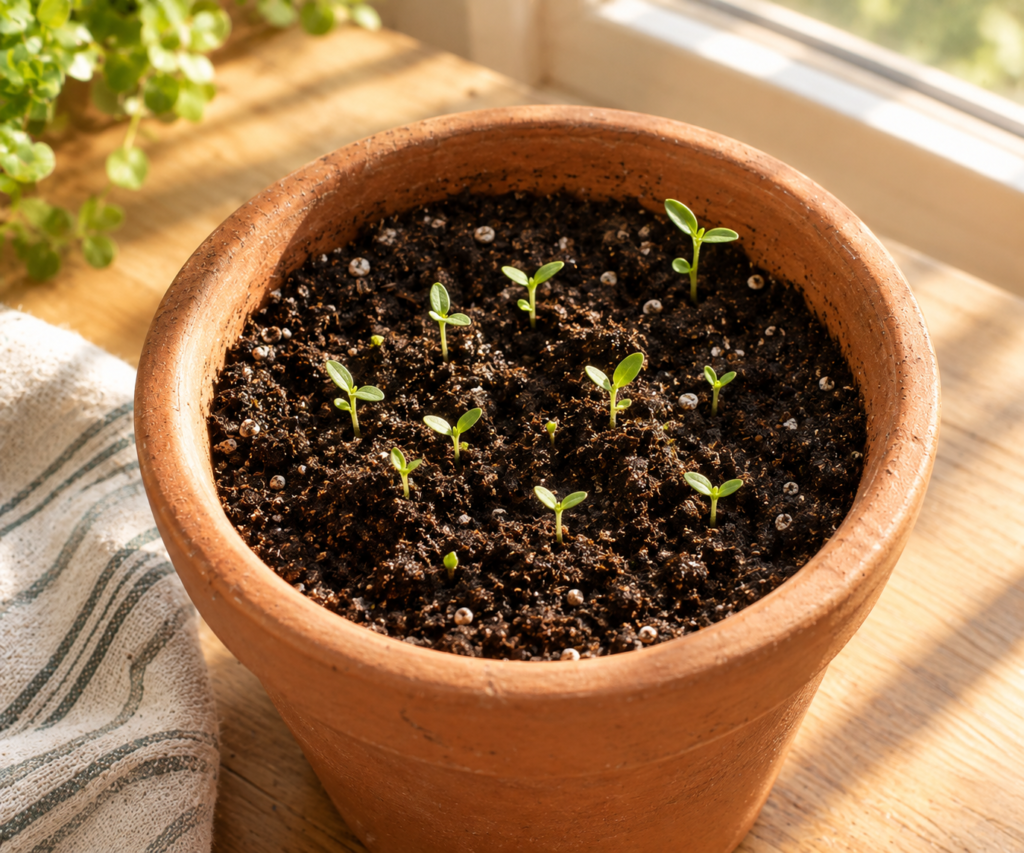
Place the pot somewhere it gets 4–6 hours of indirect or morning sunlight. Germination typically takes 2–3 weeks, though some flower varieties can take up to 6 weeks depending on your climate and the current season.
Common Myths vs. Reality
Plenty of people try seed paper once, see nothing happen, and assume it doesn’t work. Usually, it’s not the paper’s fault.
| Myth | Reality |
|---|---|
| “You can just toss it outside and it’ll grow” | Seed paper needs proper soil contact, consistent moisture, and light. Tossing it on a lawn or windowsill without planting rarely works. |
| “More water is always better” | Overwatering is one of the top reasons seed paper fails to sprout. Soggy soil suffocates the seeds before they can germinate. |
| “It works in any season” | Seeds are climate-sensitive. Planting wildflower seed paper in the dead of winter outdoors will likely delay or prevent germination until spring. |
| “All seed papers are the same quality” | Cheaper seed paper often uses low-viability seeds or too few seeds per sheet. This is why sourcing from a quality-focused maker matters. |
Troubleshooting: Why Isn’t My Seed Paper Growing?
If a few weeks have passed and nothing’s happening, it’s usually due to one of these culprits:
- Soil dried out between waterings: Inconsistent moisture is the most common failure point. Aim for “always slightly damp,” never bone-dry.
- Not enough light: A shaded, dark corner won’t cut it. Therefore, move the pot somewhere much brighter.
- Buried too deep: If you piled soil more than half an inch on top, the tiny sprout may not have the strength to push through to the surface.
- Old or low-quality paper: Like any seeds, viability degrades over time. For example, seed paper stored for years in poor conditions (excessive heat or humidity) may have reduced germination rates.
If you’ve checked all of the above and still see absolutely nothing after 6 weeks, it’s fair to assume that particular sheet simply didn’t take. This happens even with high-quality seed paper, and it’s worth trying a fresh piece rather than troubleshooting indefinitely.
Why This Matters Beyond the Wedding Day
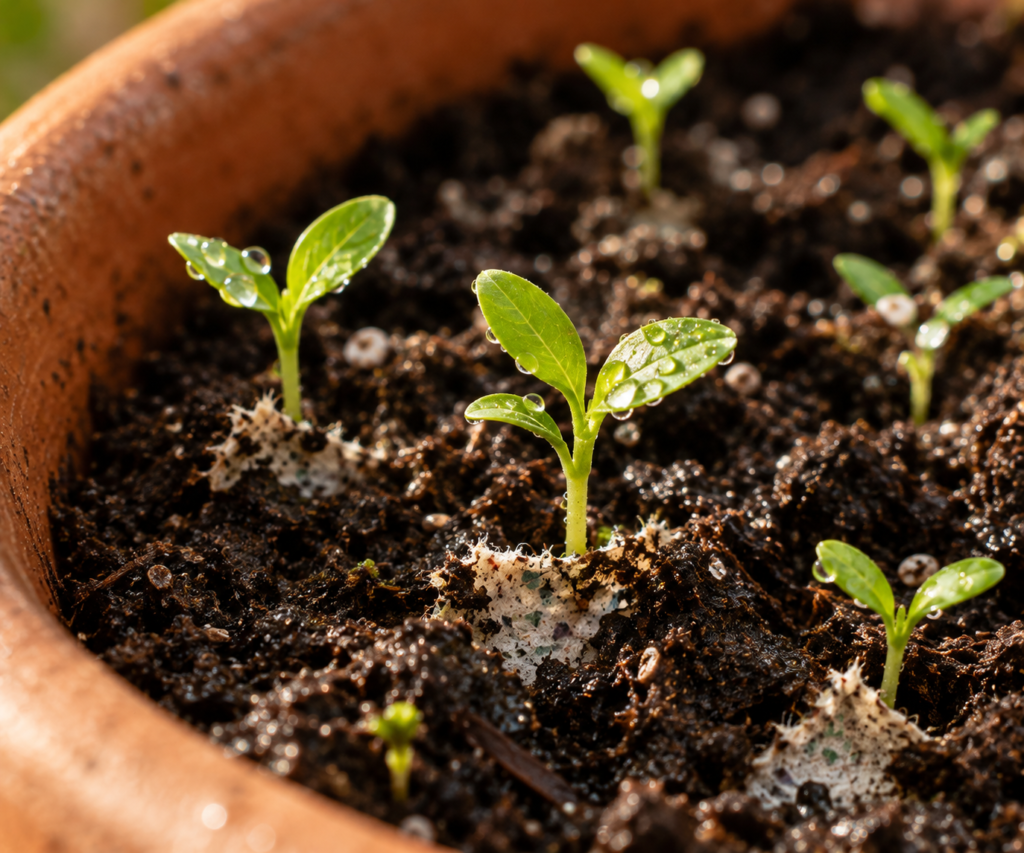
There’s something quietly powerful about handing someone an invitation that becomes a living thing. It’s not just a sustainable swap—it’s a fundamental shift in what stationery means. Instead of a keepsake that sits in a dusty box, it becomes something a guest actually tends to, watches over, and remembers you by every time it blooms.
For eco-conscious couples and event planners, this is the difference between choosing sustainable stationery because it feels responsible, and choosing it because it genuinely adds something beautiful that no traditional invitation ever could.
- Planning a Wedding? If you want invitations your guests will love to plant, explore our curated Earthy Papers Wedding Collection.
- Managing Sustainability Goals? For event planners handling multiple corporate clients, our Earthy Papers Bulk & Corporate Ordering options make it easy to source seed paper at scale without losing premium quality.
- Love Beautiful, Purposeful Paper? If you are simply looking for everyday green goods, our Earthy Papers Seed Paper Collection has everything from greeting cards to gift tags, all designed to grow.
Frequently Asked Questions
- How long does it take for seed paper to grow?
Most wildflower seed paper varieties begin to sprout within 2 to 3 weeks after planting. However, depending on your local climate, soil quality, and the specific seeds used, certain varieties can take up to 6 weeks to fully germinate.
- Does plantable seed paper work?
Yes, plantable seed paper absolutely works if planted correctly. To ensure success, you must submerge the paper in water for 2–4 hours first, bury it under a very shallow quarter-inch layer of soil, and keep the dirt consistently damp like a wrung-out sponge.
- Which method is better for starting seeds, paper towel or soil?
Soil is significantly better for seed paper because it provides structural nutrients and permanent root anchoring. While a paper towel can sprout seeds, the roots will quickly starve and die unless they are immediately transplanted into loose, fertile potting soil.
- How long does seed paper keep before planting?
High-quality seed paper retains its germination viability for 1 to 2 years. To prolong the life of the embedded seeds, store your stationery in a cool, dark, and completely dry environment away from intense heat or humidity
.
.
- Do you have to plant the whole card at once?
No, you do not have to plant the entire sheet. You can easily tear the seed paper into smaller fragments and plant them across multiple small pots. Tearing the paper actually breaks down the cotton fibers, making it much easier for sprouts to break through.
Conclusion
In conclusion, seed paper only works its magic if you actually take the final step to plant it. Consequently, you shouldn’t let this be another beautiful card that simply ends up forgotten inside a dark drawer. By grabbing a small terracotta pot, applying the proper depth of loose soil, and maintaining consistent moisture, you can easily give your invitation the exact chance it needs to transform into a living patch of wildflowers.
Ultimately, choosing plantable stationery is a meaningful way to celebrate life’s big moments without adding to the planet’s growing waste problem.
Ready to send stationery that people keep, plant, and fondly remember? Explore Earthy Papers’ full collection of plantable, biodegradable stationery today and give your next event a beautiful story that keeps growing long after your special day is over.